

Preeclampsia


What is Preeclampsia?
Pre-eclampsia symptoms
Resources
Preeclampsia is a disorder that occurs only during pregnancy and the postpartum period and affects both the mother and the unborn baby. Affecting around 5% of all pregnancies, it is a rapidly progressive condition characterized by high blood pressure and the presence of protein in the urine. Swelling, sudden weight gain, headaches and changes in vision are important symptoms; however, some women with rapidly advancing disease report few symptoms.
Typically, preeclampsia occurs after 20 weeks gestation (in the late 2nd or 3rd trimesters or middle to late pregnancy) and up to six weeks postpartum (after delivery), though in rare cases it can occur earlier than 20 weeks. Proper prenatal care is essential to diagnose and manage preeclampsia. Pregnancy Induced Hypertension (PIH) and toxemia are outdated terms for preeclampsia. HELLP syndrome and eclampsia (seizures) are other variants of preeclampsia.
Globally, preeclampsia and other hypertensive disorders of pregnancy are a leading cause of maternal and infant illness and death. By conservative estimates, these disorders are responsible for 76,000 maternal and 500,000 infant deaths each year.
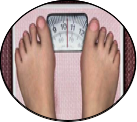
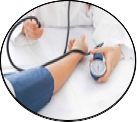
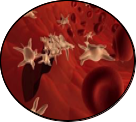
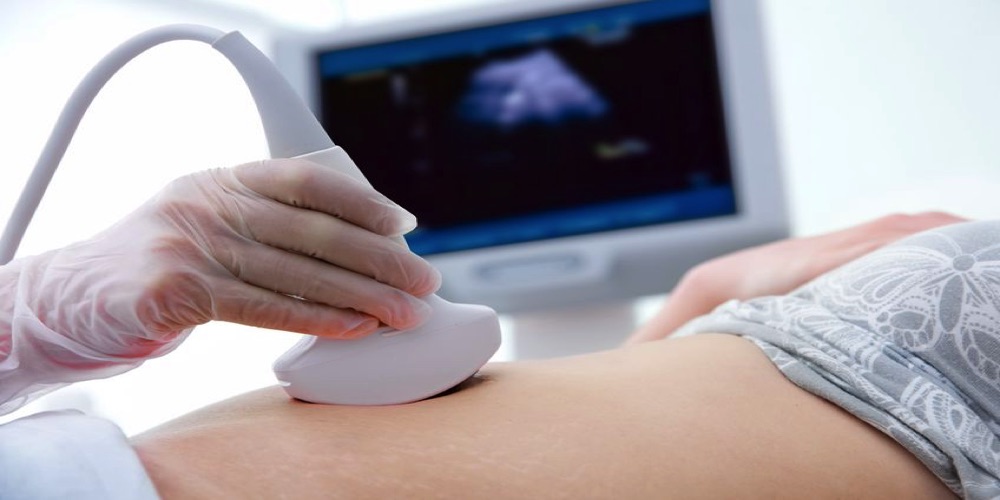
Pre-eclampsia is characterised by high blood pressure, proteinuria, low platelet count and oedema
Oedema
Low platelet count
High Blood pressure
Proteinuria


Contact Us
info@pregnosa.com
Pregnosa™ is administered by intravenous infusion in hospital setting